The Advantages of Using a Fish Finder: Why All Anglers Should Have One
The introduction of a fish finder has revolutionized how anglers plan their fishing sessions. This tool provides critical insights into fish locations and underwater landscapes, rendering it an indispensable tool for both novices and seasoned fishermen. Recognizing its benefits can fundamentally change fishing strategies. However, some continue to ignore key factors that maximize its effectiveness. Examining these elements reveals why a fish finder is indispensable for anyone committed to the sport.
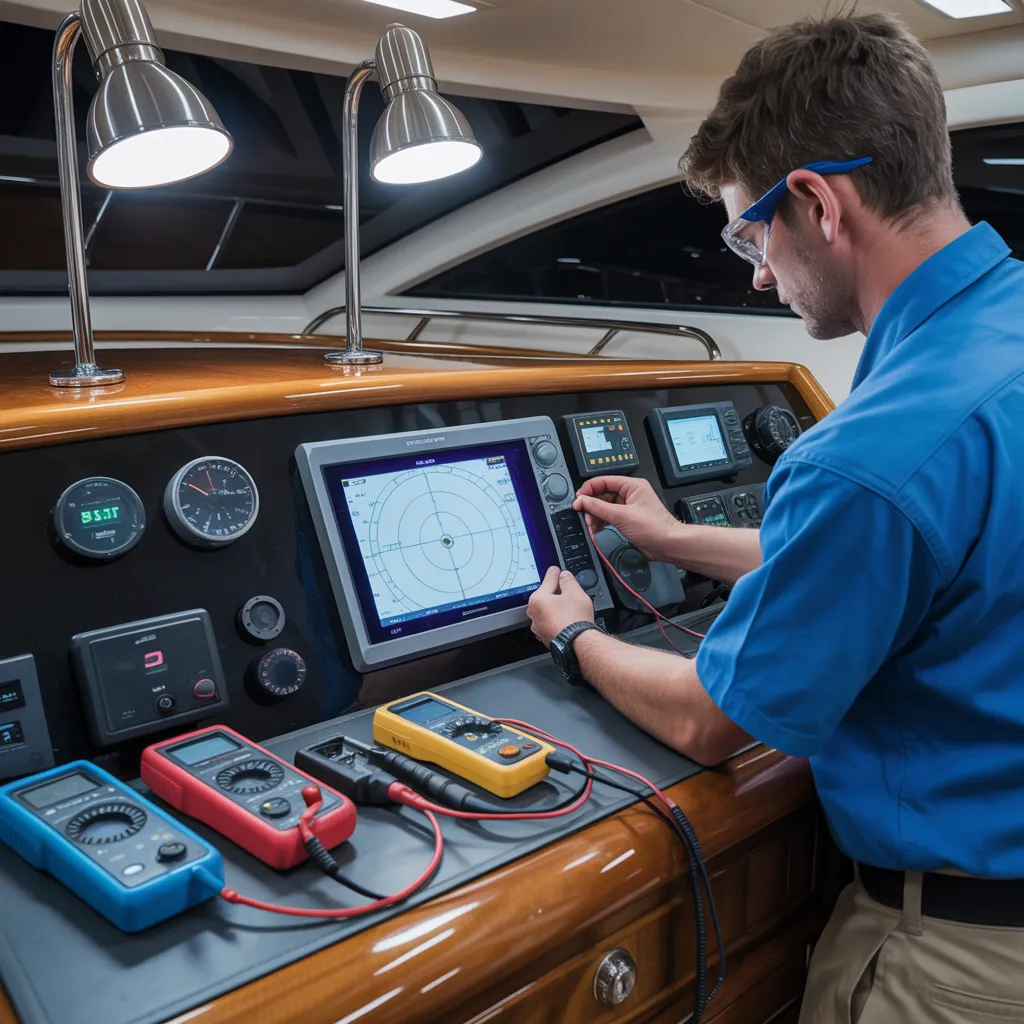
What a Fish Finder Is and How It Works
A fish finder serves as a cutting-edge tool that employs sonar technology to detect fish beneath the water's surface. By sending out sound waves and interpreting their return signals, this equipment can determine the location, depth, and dimensions of fish, as well as subsurface elements including rocks and aquatic vegetation. Those who fish gain access to live information, enabling them to determine the best locations to cast their lines. This advancement boosts fishing productivity, reducing the time spent searching for fish.
Fish finders feature various features, such as GPS capabilities and helpful information mapping functions, which further aid in navigation and location tracking. Understanding the workings of a fish finder can greatly improve an angler's experience, transforming it from a matter of luck into a matter of strategy. Ultimately, this device transforms fishing into a more productive and enjoyable endeavor, resonating with both new and veteran fishermen alike.
Various Kinds of Fish Finders Available
Different kinds of fish finders are designed to meet various fishing needs and preferences. Handheld fish finders deliver convenience for anglers seeking mobility, while stationary mount units ensure consistent results for experienced boating enthusiasts. In addition, fish finder apps for smartphones provide practicality and accessibility for passionate fishing hobbyists.
Handheld Fish Finders
Portable fish finders are available in numerous types, each tailored to meet distinct fishing preferences and conditions. These units differ in their features, including sonar technology and display choices. Some popular types include handheld units, which are small and simple to transport, making them perfect for shore fishing or kayaking excursions. Others are wireless models that connect to smartphones, providing convenience and a user-friendly interface. Furthermore, castable fish finders enable fishermen to throw the unit into the water, providing live information on fish whereabouts. Each type of portable fish finder offers unique benefits, guaranteeing that anglers can find a model that elevates their fishing adventures, irrespective of the location or approach taken.
Stationary Mount Fish Finders
Fixed mount fish finders offer a more stable option for anglers in search of cutting-edge technology and improved features. These units are commonly fitted to the boat, providing stability and steady functionality in a variety of conditions. They are fitted with wider screens, high-resolution imaging, and sophisticated sonar technology, allowing for precise underwater mapping and fish detection. Many fixed mount models also support various frequencies, which can improve their performance in varying water types and depths. Additionally, they frequently connect with other marine electronics, providing an extensive navigational and fishing experience. For dedicated anglers who spend long periods on the water, a fixed mount fishfinder can considerably boost their ability to locate and target fish efficiently.
Cell Phone Fish Finder Apps
As technology keeps advancing, more fishing enthusiasts are relying on smartphone fish finder apps as a convenient and accessible means to enhance their fishing experience. These apps utilize GPS and sonar technology to assist anglers in finding fish with greater precision. Such applications generally provide features including live depth measurements, water temperature readings, along with fish species recognition capabilities.
Certain apps link to portable sonar devices, while some use the smartphone's integrated sensors to supply essential details. Numerous apps also feature charting features, enabling fishermen to tag go-to fishing areas. Featuring easy-to-navigate interfaces, these tools are well-suited for newcomers and veteran fishing enthusiasts seeking to improve their catch rates without the need for bulky equipment.
Important Features to Evaluate When Choosing a Fish Finder
When selecting a fish finder, two essential aspects to assess are display quality and size, as well as sonar technology options. The size and sharpness of the screen can greatly impact usability, making it simpler to read and understand information. Additionally, learning about the range of sonar technologies offered can enhance fishing experiences by providing more accurate underwater information.
Display Quality and Dimensions
The display quality and size of a fish finder play a vital role in enhancing the fishing experience, as they directly impact visibility and usability. A high-resolution display delivers sharper images of underwater structures and fish, helping anglers make better-informed choices. Bigger screens are capable of displaying more information at once, minimizing the need for frequent scrolling or zooming. Brightness and contrast are also critical; they ensure visibility across a range of lighting conditions, from direct sunlight to dim environments. Furthermore, touchscreen functionality can simplify navigation, enabling users to quickly and effortlessly access key features. In the end, choosing a fish finder with excellent display quality and size greatly enhances efficiency and enjoyment on fishing trips, enhancing overall success on the water.
Sonar Technology Alternatives
The effectiveness of a fish finder extends beyond display quality to the sonar technology it employs. Anglers should consider several sonar options, including standard 2D sonar, which delivers essential depth and structural data, and sophisticated technologies such as CHIRP (Compressed High-Intensity Radiated Pulse). CHIRP sonar delivers improved target separation and precision, simplifying the process of spotting fish. Furthermore, down imaging and side imaging sonar provide comprehensive perspectives of underwater formations, enhancing fishing approaches. Another essential factor is frequency; higher frequencies deliver better detail in shallow waters, while lower frequencies penetrate deeper. At the end of the day, picking the correct sonar technology has a profound effect on an angler's results, empowering them to detect fish more reliably and maximize their time spent fishing.
Boost Your Fishing Success With Fish Finders
In what ways can anglers significantly improve their fishing results? By adding fish finders to their fishing equipment, they can notably improve their chances of a fruitful outing. Fish finders employ sonar technology to identify underwater formations and fish positions, providing valuable insights that traditional fishing methods may overlook. This capability allows anglers to identify hotspots where fish are actively feeding, thereby reducing the time spent searching for the right spots.
Furthermore, fish finders can display water depth, temperature, and clarity, which are vital factors influencing fish behavior. With this knowledge at their disposal, fishermen can carefully choose about tackle selection and angling strategies. In addition, many modern fish finders offer GPS functionality, permitting users to save productive spots for future trips. By harnessing these cutting-edge instruments, fishermen can improve their techniques and significantly boost their fishing results, turning an ordinary trip into an exceptional adventure.
How to Maximize Your Fish Finder's Performance
Optimizing the performance of a fish finder demands a solid understanding of its features and settings. Fishing enthusiasts should educate themselves on sonar types, including traditional and CHIRP, as each offers unique advantages for detecting fish and underwater structures. Adjusting sensitivity and depth range can greatly enhance image clarity, allowing for better interpretation of the data displayed.
Additionally, using the fish finder's mapping features can aid in locating fruitful fishing spots by logging waypoints and following previously fruitful areas. Frequently updating the system's software provides access to the current capabilities and refinements.
It is also essential to read the screen accurately, differentiating between fish, bait, and underwater structure. Practicing with the device in various environments will build confidence and skill. By integrating these strategies, anglers can substantially elevate their overall time on the water, contributing to more rewarding excursions and heightened pleasure while fishing.
Common Mistakes to Avoid When Using a Fish Finder
Many anglers make common mistakes when utilizing a fish finder that can impede their fishing results. One of the most prevalent issues is neglecting to configure the sensitivity controls. If the sensitivity is too low, crucial signals can go undetected; if too high, excess noise can hide valuable data. Furthermore, failing to properly interpret the display can lead to inaccurate data analysis. Anglers often overlook the importance of selecting the correct frequency setting for their particular fishing location, which can greatly affect results.
A further typical mistake concerns failing to regularly update the fish finder's software, thereby risking the loss of valuable improvements or bug fixes. To conclude, numerous anglers neglect to use the built-in mapping capabilities of the fish finder, that can offer important information about underwater structures and depths. By sidestepping these common pitfalls, anglers can fully optimize the performance of their fish finders, resulting in a significantly more rewarding fishing experience.
Fixing Typical Fish Finder Issues
What should an angler do when their fishing sonar unit displays inconsistent readings? As a first step, they should check the sonar transducer, ensuring it is properly mounted and free of debris. A poorly aligned or debris-covered transducer can lead to incorrect data. Next, the fisherman should verify the settings, including depth range and sensitivity, as improper settings can produce misleading data. Additionally, evaluating the power connection is important; faulty wiring or a depleted battery may result in unreliable operation.
If issues persist, updating the software may resolve bugs affecting functionality. Moreover, checking for interference from other electronic devices, such as radios or motors, is essential; these devices can interfere with signals and produce misleading data. As a final step, referring to the user manual or reaching out to customer support can offer further guidance on ongoing issues. By systematically addressing these areas, anglers can enhance their fish finder's reliability and improve their overall fishing experience.
Common Questions and Answers
Can a Fish Finder Work in Saltwater Environments?
Absolutely, a fish finder can work effectively in ocean environments. Many models are specifically designed for such environments, incorporating innovative technology to detect fish and underwater structures, improving the fishing experience for anglers throughout different ocean settings.
How Precise Are Fish Finders at Locating Fish?
Fish finders are generally accurate in detecting fish, frequently determining their size and depth. However, accuracy can vary based on factors such as water conditions, sonar technology, and the user's familiarity with the device.
Do Fish Finders Need Frequent Software Updates?
Fish finders typically require routine software updates to improve functionality and improve accuracy. Producers often release updates that fix bugs, include new features, and optimize performance, ensuring users benefit from the latest technology available.
Can a Fish Finder Be Used From Shore?
Absolutely, a fish finder can be used from shore, given that it possesses the appropriate range and functions. Anglers fishing from shore often benefit from these tools, improving their capacity to spot fish in nearby waters effectively.
What Is the Expected Lifespan of a Fish Finder?
The standard lifespan of a fish finder generally falls between three and five years, based on usage, upkeep, and environmental factors. Routine maintenance and appropriate storage can significantly enhance the device's performance and dependability.